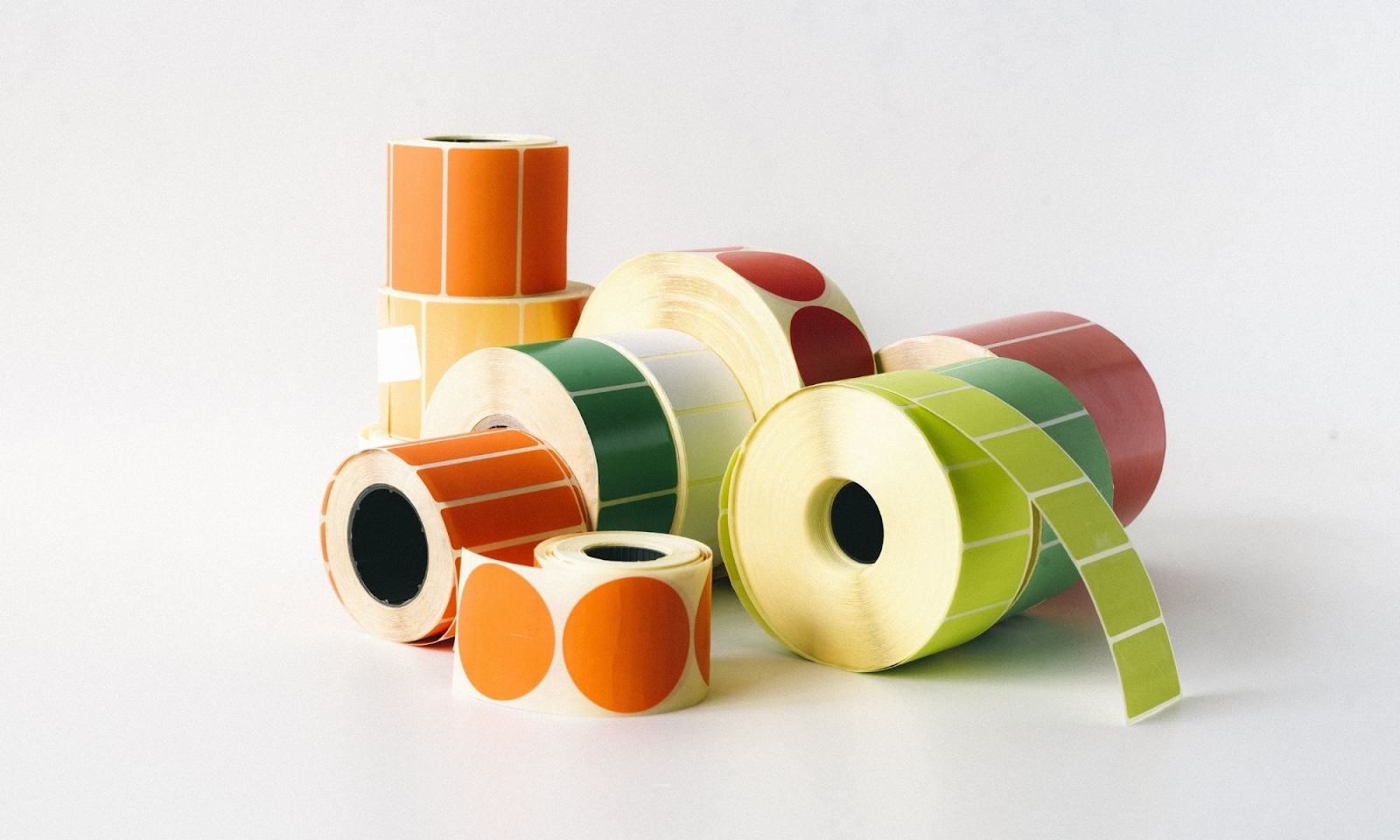
Introduction
When you select up a product from a shop shelf, what’s the primary element you notice? Most often, it’s the label. That small piece of fabric does a long way greater than just let you know what’s in the package deal it tells a tale. The preference of label material can make or smash the way a product is perceived. From the vibrant foil labels on top rate wine bottles to the long lasting artificial labels on electronics, the proper cloth no longer best affords crucial information however also builds trust with customers.
Labels serve a couple of functions. They deliver product information, brand trademarks, barcodes, and felony facts. But behind all that lies an essential selection: what cloth must be used? Choosing the wrong cloth would possibly mean smudged ink, peeling edges, or labels that fade under sunlight. On the opposite hand, the right material ensures durability, readability, and aesthetic appeal.
In this manual, we’ll discover the whole lot you need to know approximately label substances from the simple types like paper and film to advanced distinctiveness options designed for harsh environments. You’ll additionally learn how to suit the proper fabric for your enterprise desires, the function of sustainability in label production, and great practices to get the maximum out of your labeling.
By the end, you’ll understand that labels aren’t simply stickers; they’re powerful branding tools made possible via cautiously selected substances. Whether you’re a small enterprise owner, a packaging dressmaker, or just curious about the world of labeling, this text will provide you with an insider’s angle.
1. Understanding Label Material
At its core, label cloth refers to the physical components that make up a label. It’s not simply one single layer but a combination of various elements, each serving a cause. Typically, a label is constructed from three essential components:
- Face Stock – This is the seen part of the label where designs, text, and emblems are revealed. The face stock may be made of paper, film, or distinctiveness substances relying at the meant use.
- Adhesive – The sticky layer that bonds the label to a surface. Adhesives may be everlasting, removable, or repositionable depending at the need.
- Liner (or Backing) – The protecting layer that holds the adhesive till the label is applied. Usually fabricated from silicone-coated paper or movie, it guarantees smooth release for the duration of application.
The preference of cloth isn’t always random. Each layer must be carefully selected to make sure the label plays in real-world conditions. For example, a transport label needs a sturdy adhesive and durable face inventory which can live on tough coping with, whilst a wine label might also prioritize elegance and texture over rugged durability.
Understanding those basics facilitates businesses make knowledgeable selections. A mismatch between material and surroundings often consequences in wasted charges and pissed off clients. Imagine a label that peels off a refrigerated product or smudges in a humid warehouse it’s not just a best problem; it’s a credibility trouble.
In brief, label cloth is the inspiration of powerful labeling. Knowing its components permits businesses to tailor labels that no longer handiest look precise but additionally final lengthy.
2. Common Types of Label Materials
The international of label materials is particularly diverse. While maximum humans consider labels as easy paper stickers, the reality is that there are a couple of fabric classes designed for unique applications. The 3 most not unusual types are paper labels, movie labels, and distinctiveness labels.
Each type comes with particular advantages, limitations, and price implications. Choosing the right one relies upon on the product’s meant use, environmental conditions, and branding necessities. Let’s wreck them down one after the other.
2.1 Paper Label Materials
Paper labels are the most broadly used and frequently the maximum cost-powerful option. Made from cellulose fibers, they provide a herbal texture that is easy to print on. Paper labels are specifically popular for retail packaging, shipping, and preferred-purpose programs where high durability isn’t required.
Advantages of paper labels:
- Affordable and extensively to be had
- Compatible with diverse printing methods, consisting of virtual and flexographic printing
Limitations:
- Not waterproof
- Prone to ripping and fading through the years
- Unsuitable for lengthy-time period outside use or merchandise uncovered to moisture
Industries like food and beverages, cosmetics, and logistics often rely on paper labels due to the fact they’re price-pleasant and versatile. Think approximately fruit stickers in supermarkets or mailing labels on parcels—most are made of paper.
Despite their barriers, paper labels stay a favourite due to their simplicity and affordability. Businesses that don’t require severe sturdiness frequently choose paper as their pass-to label material.
2.2 Film Label Materials
Unlike paper, movie labels don’t easily tear, making them perfect for long-term and heavy-obligation packages.
Advantages of movie labels:
- Waterproof and proof against chemicals
- Longer lifespan than paper labels
- Can comply with curved or irregular surfaces
Limitations:
- Generally more expensive than paper
- May require specialised printing techniques
- Less eco-friendly until recyclable alternatives are selected
Film labels are extensively used in industries such as personal care merchandise, family chemical substances, electronics, and outdoor gadget. For instance, shampoo bottles in the bathe want labels that won’t disintegrate whilst wet—film materials are the answer.
By offering durability and versatility, film labels often represent a stability among overall performance and layout. They may cost a little extra, however for plenty programs, the delivered resilience is well worth it.
2.3 Specialty Label Material
Specialty labels take things up a notch. These are designed for niche purposes in which wellknown paper or film labels simply received’t reduce it. Specialty substances include metallic foils, eco-friendly substrates, clear “no-label look” films, and protection/tamper-glaring options.
Examples of specialty label substances:
- Metallic labels for luxurious packaging, like wine and fragrance bottles
- Clear labels that create a graceful, “revealed-on” look for glass or plastic packing containers
- Tamper-glaring labels that depart a seen mark if removed, used in pharmaceuticals and electronics
- Eco-pleasant labels made from recycled paper or biodegradable movies for sustainable brands
These labels might cost greater, however they assist merchandise stand out in a aggressive marketplace. For example, excessive-stop skincare manufacturers often use clear or steel labels to emphasise sophistication and top rate nice. Similarly, industries coping with excessive-value items regularly choose tamper-evidence labels to ensure product authenticity.
Specialty label materials aren’t pretty much aesthetics—they’re about capability and branding. They represent the reducing edge of labeling generation and are increasingly more in call for as agencies look for methods to distinguish their products.
3. Factors to Consider When Choosing Label Material
Multiple factors want to be considered to ensure the label now not only looks exact but also plays properly in actual-world conditions.
Here are some key issues:
- Environmental Conditions – Will the label face heat, cold, moisture, or exposure to chemicals? A freezer product desires moisture-resistant labels, whilst industrial device requires labels that face up to heat and abrasion.
- Surface Type – Smooth, difficult, or curved surfaces call for special adhesives and face shares. Glass jars, cardboard boxes, and metallic drums all present particular challenges
- Printing Method – Not all substances are like minded with every printing method. Digital printing works well with paper, whilst film labels may additionally require flexographic or UV printing.
- Durability Requirements – Short-time period occasion labels vary from long-lasting outside labels. The expected lifespan of the product plays a big role.
- Cost vs. Performance – Budget constraints often dictate cloth preference. Paper is reasonably-priced however constrained, even as movies and uniqueness labels provide more however at a better fee.
Making the incorrect desire can lead to wasted money and broken brand reputation. For example, a connoisseur food product wrapped in an elegant package could lose credibility if its label smudged inside the refrigerator. On the other hand, making an investment in durable movie labels for short-time period promotional stickers can be unnecessary overspending.
Ultimately, the nice label cloth balances performance, price, and aesthetics. Businesses that carefully examine those factors can ensure their labels upload price in place of becoming a liability.
4. Label Materials for Different Industries
Different industries have special labeling wishes, and no single fabric works for all packages. Each industry makes use of labels now not just for identity but also for storytelling and client agree with. For instance, green manufacturers in retail frequently emphasize sustainability by way of deciding on recyclable or biodegradable label substances. Meanwhile, logistics businesses prioritize barcodes and clarity over aesthetics.
By aligning label fabric with industry-unique desires, companies can ensure compliance, performance, and strong brand popularity.
5. Eco-Friendly and Sustainable Label Materials
Sustainability is now not non-obligatory it’s a necessity. Consumers nowadays are extra eco-aware than ever, and types are underneath stress to reduce their environmental footprint.
- Labels, although small, play a massive position on this effort.
- Eco-friendly label materials encompass:
- Recycled paper labels crafted from post-client waste
- Biodegradable movies that break down certainly
- Compostable adhesives and liners to minimize landfill waste
- Water-primarily based inks that lessen dangerous emissions
Many organizations are now adopting sustainable label materials to beautify their green credentials. For example, organic meals brands regularly use kraft paper labels to emphasize herbal and green values. Similarly, beauty brands are turning to clean biodegradable movies that hold a graceful appearance at the same time as being environmentally accountable.
The mission lies in balancing sustainability with performance. Eco-pleasant substances on occasion come at a better price and may have boundaries in sturdiness. However, as generation advances, those gaps are remaining speedy, making sustainable labeling more available to groups of all sizes.
In the long run, investing in sustainable label materials isn’t simply properly for the environment—it’s additionally properly for commercial enterprise. Customers increasingly desire manufacturers that show true take care of the planet, and a label is often the first touchpoint where that commitment is visible.
FAQs
1. What is the maximum commonly used label fabric?
The most broadly used label material is paper. It’s value-effective, flexible, and easy to print on, making it ideal for retail, delivery, and standard product labeling. However, paper labels aren’t as long lasting as film or strong point labels, so that they’re first-class for brief-time period or indoor applications.
2. What form of label cloth is water-resistant?
They are generally used for labels on bottles, out of doors system, and products stored in humid environments wherein paper would quickly go to pot.
3. Are eco-friendly label materials to be had?
Yes! Eco-friendly label substances include recycled paper, biodegradable movies, compostable adhesives, and water-based totally inks. Many brands are switching to these sustainable options to reduce their environmental effect even as still preserving awesome labeling.
4. How do I pick out the proper label material for my product?
The proper cloth depends on numerous elements:
- Product environment
- Surface type
- Durability desires
- Budget vs. Performance stability
If your product faces harsh conditions, film or area of expertise labels are better, while paper works for everyday makes use of.
5. What industries use distinctiveness label materials the most?
Industries that want premium branding, product protection, or compliance depend heavily on distinctiveness label materials. Examples consist of:
- Luxury items (steel foil and clean labels)
- Pharmaceuticals (tamper-obtrusive labels)
- Electronics (warmness and chemical-resistant films)
- Sustainable brands (eco-friendly paper and films)