Every workplace, whether it’s in healthcare, retail, social services, or corporate environments, comes with its own risks and challenges. Employees may encounter difficult situations—ranging from working alone in remote locations to handling confrontational clients—that can put their safety and well-being at risk.
To create a safe and supportive environment, organizations are increasingly investing in personal safety training, lone worker training, and de-escalation training. These programs provide practical strategies to reduce risks, manage difficult encounters, and protect both employees and the organization.
Personal Safety Training: Empowering Staff to Protect Themselves
Employees are a company’s most valuable asset, and their safety should always be a top priority. Personal safety training equips staff with the knowledge and skills to protect themselves in potentially risky situations.
Key areas covered include:
- Risk assessment skills for everyday and high-risk scenarios
- Practical self-protection techniques
- Awareness of surroundings and early recognition of warning signs
- Safe exit strategies to reduce the chance of escalation
This training is especially useful for those in public-facing roles such as customer service, healthcare, and social work. By giving employees confidence in their ability to handle challenges, businesses build stronger, safer teams.
Lone Worker Training: Reducing Risks for Isolated Employees
Many industries have employees who work alone—security staff, field engineers, delivery drivers, or care workers. Without immediate support nearby, lone workers face unique risks. Lone worker training helps organizations meet their duty of care by preparing staff to manage these situations safely.
Training typically covers:
- Identifying hazards associated with working alone
- Communication protocols and emergency response planning
- Use of monitoring systems or lone worker devices
- Legal responsibilities for both employers and employees
With proper training, lone workers can operate more confidently, knowing they have the knowledge and tools to keep themselves safe.
De-escalation Training: Managing Conflict Effectively
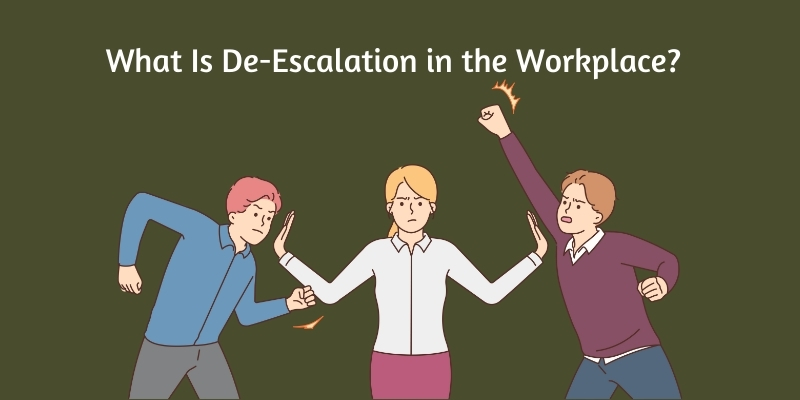
Conflict is sometimes unavoidable, especially in roles that involve interacting with the public. From frustrated customers to agitated patients, these situations can quickly escalate if not handled properly. De-escalation training provides employees with the skills to manage challenging encounters in a calm and professional manner.
Core elements include:
- Recognizing early signs of tension
- Using verbal and non-verbal communication to reduce hostility
- Maintaining composure under pressure
- Techniques for defusing aggression before it escalates
- Knowing when to disengage and seek support
By preventing conflicts from turning into crises, businesses protect both staff and customers while maintaining a positive professional reputation.
Why These Trainings Matter for Businesses
Investing in safety and de-escalation training is not just about compliance—it’s about creating a culture of care and responsibility. Benefits include:
- Employee Confidence & Morale – Staff feel secure, valued, and supported.
- Risk Reduction – Fewer workplace incidents, injuries, or legal issues.
- Improved Service Delivery – Employees manage situations more effectively, ensuring customers and clients feel respected.
- Regulatory Compliance – Meets legal obligations to protect staff in high-risk roles.
Why Choose NNTC
With years of experience in workplace training, NNTC offers tailored solutions for organizations across sectors. Their programs in personal safety training, lone worker training, and de-escalation training are designed to be practical, engaging, and aligned with real workplace challenges.
Why organizations trust NNTC:
- Expert trainers with frontline experience
- Courses designed to meet industry standards
- Interactive learning for maximum impact
- Options for both in-person and virtual training delivery
- Tailored packages to meet organizational needs
By working with NNTC, companies can ensure their employees are fully prepared to deal with challenges confidently and safely.
Conclusion
Workplace safety goes beyond physical measures—it also requires training, awareness, and preparation. From handling aggressive behavior with calm professionalism to ensuring isolated staff are well-protected, investing in employee safety is a strategic and ethical choice.
By offering personal safety training, lone worker training, and de-escalation training, organizations empower their staff to stay safe, reduce risks, and deliver their best work. In an unpredictable world, these skills are not just valuable—they’re essential.