For many homeowners, a roof replacement is one of the largest maintenance projects they will ever undertake. Because roofing systems are designed to last for decades, it can be difficult to know exactly when repairs are sufficient and when a complete replacement becomes the smarter investment.
Waiting too long can lead to escalating repair costs, interior damage, and reduced energy efficiency. Replacing a roof too early, on the other hand, may result in unnecessary expenses. Understanding the warning signs can help homeowners make informed decisions and protect their property for the long term.
Why Roof Age Matters
Every roofing material has an expected lifespan. While factors such as climate, installation quality, maintenance practices, and storm exposure influence longevity, all roofs eventually reach a point where replacement becomes necessary.
As roofing systems age, materials naturally deteriorate. Protective granules wear away, sealants weaken, and structural components become more vulnerable to moisture intrusion. Even if no obvious leaks are present, an aging roof may no longer provide the level of protection it once did.
Knowing the approximate age of your roof is often the first step in determining whether replacement should be considered.
1. Frequent Repairs Are Becoming the Norm
Occasional repairs are a normal part of roof ownership. However, if roofing issues seem to appear every year—or multiple times per year—it may indicate a larger problem.
Homeowners sometimes spend thousands of dollars addressing recurring issues without realizing that a replacement could provide a more cost-effective long-term solution.
Signs of excessive repair frequency include:
- Multiple leak repairs
- Repeated shingle replacement
- Ongoing flashing issues
- Persistent moisture concerns
When repair costs continue to accumulate, it may be time to evaluate the overall condition of the roofing system.
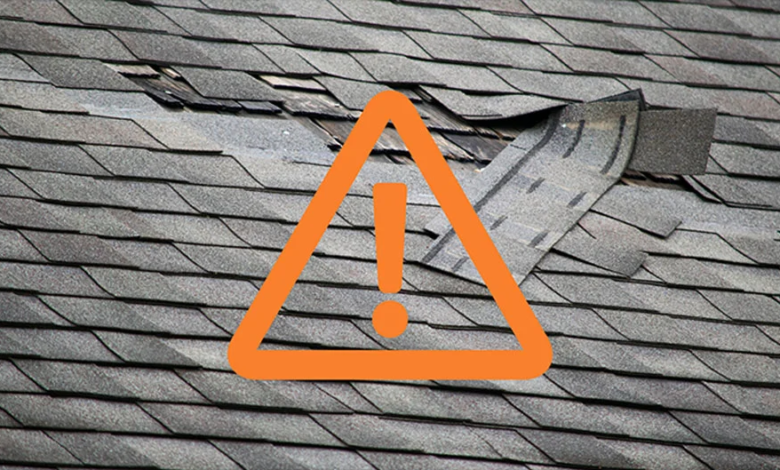
2. Missing, Cracked, or Curling Shingles
Shingles serve as the first line of defense against the elements. As they age, they may begin to crack, curl, buckle, or detach from the roof surface.
While isolated damage can often be repaired, widespread deterioration typically indicates that the roof is nearing the end of its useful life.
A roof with significant shingle failure becomes increasingly susceptible to water penetration, wind damage, and energy inefficiency.
3. Granule Loss Is Becoming Noticeable
Asphalt shingles contain protective granules that help shield roofing materials from ultraviolet radiation and weather exposure.
Over time, these granules gradually wear away. Homeowners may notice excessive granule accumulation in gutters, downspouts, or around the perimeter of the home.
Significant granule loss often signals advanced aging and reduced protection against environmental stressors.
4. Interior Water Stains Are Appearing
Water stains on ceilings or walls should never be ignored.
Even minor discoloration may indicate moisture intrusion occurring somewhere within the roofing system. Because water often travels before becoming visible, the source of the problem may be more extensive than it initially appears.
If leaks continue to occur despite repairs, replacement may provide a more reliable solution than ongoing patchwork fixes.
Hidden Moisture Damage
Not all water damage is immediately visible. Moisture trapped within insulation, attic spaces, or structural components can remain undetected for extended periods.
Professional inspections can help determine whether isolated repairs are sufficient or if broader roofing concerns are contributing to the problem.
5. Your Energy Bills Continue to Rise
A deteriorating roof can impact a home’s overall energy performance.
Compromised roofing materials, poor ventilation, and moisture-related issues may allow conditioned air to escape more easily. As heating and cooling systems work harder to maintain comfortable temperatures, utility costs often increase.
Although rising energy bills can have multiple causes, roofing performance should be considered as part of a comprehensive evaluation.
6. Storm Damage Has Accumulated Over Time
Major storms often cause immediate damage, but repeated exposure to severe weather can also create cumulative wear that gradually weakens roofing systems.
Common storm-related concerns include:
- Wind uplift damage
- Hail impacts
- Damaged flashing
- Water infiltration
- Structural stress
In some cases, the cumulative effect of years of storm exposure may justify replacement even if no single event caused catastrophic damage.
For homeowners researching roofing replacement options, installation standards, and long-term roofing solutions, reviewing information provided by Ideal Precision Roofing contractors can offer useful insight into modern roofing systems and property protection strategies.
7. The Roof Is Showing Signs of Structural Sagging
One of the most serious warning signs is visible sagging.
A roof should maintain a relatively consistent and level appearance. Sagging sections may indicate underlying structural concerns such as moisture damage, weakened decking, or compromised support systems.
Structural issues require prompt professional evaluation because they can affect both safety and long-term property integrity.
Repair or Replace? Key Questions to Consider
Determining whether to repair or replace a roof often comes down to several important factors:
What Is the Roof’s Age?
Older roofs nearing the end of their expected lifespan may benefit more from replacement than repeated repairs.
How Extensive Is the Damage?
Localized issues are often repairable, while widespread deterioration may justify a larger investment.
What Are the Long-Term Costs?
Multiple repairs over several years can sometimes exceed the cost of installing a new roofing system.
Are Future Plans a Factor?
Homeowners planning to stay in their property for many years may prioritize long-term durability and efficiency benefits associated with replacement.
Planning Ahead Reduces Stress
One of the biggest advantages of recognizing roofing issues early is the ability to plan proactively.
Emergency replacements often occur during periods of severe weather, creating additional stress and limiting scheduling flexibility. Identifying replacement needs in advance allows homeowners to evaluate options carefully, compare solutions, and make decisions on their own timeline.
Conclusion
A roof replacement is a significant investment, but delaying necessary action can lead to even greater expenses over time. By paying attention to warning signs such as aging materials, recurring repairs, water intrusion, granule loss, and structural concerns, homeowners can make informed decisions before problems become severe.
Understanding when a roof has reached the end of its service life helps protect not only the roofing system itself but also the comfort, efficiency, and value of the entire home.