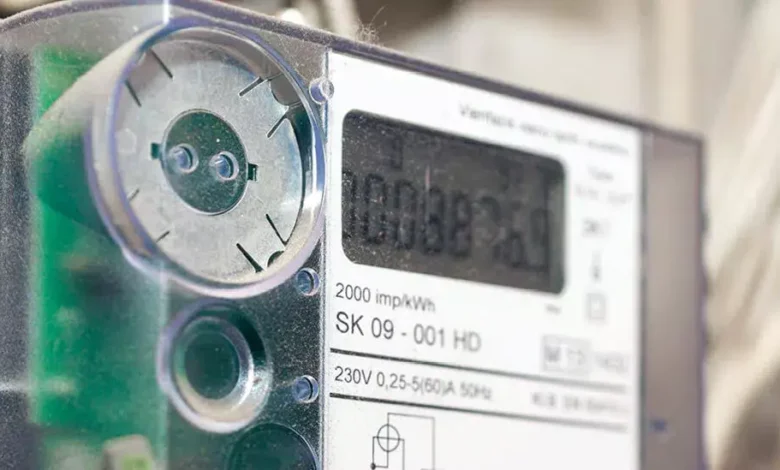
A water meter is a small asset with a large operational effect. When readings arrive late or miss low flows, billing, leak response and demand planning all suffer. Modern metering programs address that problem by improving both the measurement device and the way readings reach utility teams.
Where conventional meters lose efficiency
The starting risk is mechanical wear, delayed readings, and limited visibility into unusual consumption. Records, field observations and operating data should be checked together because any one source may be incomplete. The review should end with a question that field work can answer. Useful baseline information may include age, material, prior failures, consumption or flow records, site changes and customer reports. Gaps should be recorded rather than filled with assumptions.
What an ultrasonic meter measures
Practitioners may use static ultrasonic measurement, integrated radio communications, alarm functions, and remote collection modes. No instrument should be treated as a black box. The operator needs to understand the measurement principle, common interference and the threshold for confirmation. Equipment capability matters, but operator competence often determines data quality. Training and documented procedures make results more consistent across crews, sites and reporting periods.
Remote reading changes daily operations
A disciplined field-to-decision process is to measure flow without moving parts, transmit meter indexes and alerts, validate exceptions, and connect reliable readings to billing and operations. The sequence preserves context as information moves from the field to analysts, managers and repair crews. Skipping verification can leave the original problem open even after money has been spent. A finding remains open until the assigned action is completed and checked. Closing the loop is especially important when the work affects public safety, billing, emissions, excavation or service continuity.
Alarms make consumption data actionable
Over time, the program should contribute to analytics that convert meter events into prioritized maintenance and customer-service actions. This requires compatible data and a routine for updating asset histories after inspection or repair. A one-time report cannot provide the same operational memory. Analytics can rank large volumes of readings, but the rules should remain reviewable. Staff need to understand why an item was prioritized and what evidence is required before committing field resources.
Where utilities gain the most value
When teams assess advanced smart meter solutions, they should match the method to the asset, site conditions and required confidence. The practical return includes more dependable consumption data, faster investigation of anomalies, and less labor spent collecting readings. Some gains are direct, while others appear as avoided excavation, fewer complaints or better use of field labor. Owners should decide in advance which outcomes justify expansion. The strongest case combines a service outcome with a financial measure. For example, a faster location is more meaningful when it also reduces repair hours, disruption or the volume of lost product.
Questions to settle before deployment
The main constraints are communications coverage, data integration, installation quality, battery planning, and clear data-governance rules. They belong in the technical scope because they can change accuracy, safety and usability. Critical findings may require confirmation by another method or physical exposure. The report should state confidence and explain what could not be determined. Honest limits help engineers choose safe follow-up work and prevent a preliminary finding from being used for a decision it cannot support.
What a useful pilot should prove
This part of the program affects water utilities, municipalities, developers, and building operators. Technical teams need enough detail to act, while managers need a concise statement of risk, cost and recommended timing. Reporting should serve both needs without overstating certainty. External contractors should know how findings will be accepted, challenged and closed. Internal staff should know who approves additional testing or repair so the project does not stall after delivery.
What should teams confirm before a smart-meter rollout?
They should confirm the asset type, operating condition, required accuracy and the decision the result must support. For this topic, the main constraints are communications coverage, data integration, installation quality, battery planning, and clear data-governance rules. A short pre-field review should document those limits, identify any need for a second method and set the acceptance check for the final result.
How can owners verify the value of a smart-meter rollout?
Verification starts with a baseline and a measure tied to the intended outcome. Expected gains include more dependable consumption data, faster investigation of anomalies, and less labor spent collecting readings. Owners should compare conditions before and after the intervention, confirm that priority findings were closed and record any recurrence. That produces a direct answer instead of relying on a vendor claim or an untested estimate.
Conclusion
The practical test is simple: does the program produce a trusted reading and a timely action? For water utilities, municipalities, developers, and building operators, the next step is to define the decision, choose evidence that can support it and assign responsibility for follow-up. That approach keeps the work factual, measurable and useful after the initial survey or installation.