Introduction to Tahhiini
If you’ve spent any time exploring Mediterranean or Middle Eastern cuisines, you’ve probably come across tahini — the smooth, nutty paste made from ground sesame seeds. But here we’re talking about tahhiini, a term that might sound like a playful variation but often refers to the same beloved sesame paste, just with a slightly different transliteration or cultural twist. Whether you spell it tahini, tahina, or tahhiini, the essence remains the same: a rich, velvety condiment packed with flavor and nutrition.
Tahhiini is more than just a spread or sauce base. It’s a staple that has traveled from ancient Mesopotamian kitchens to trendy urban cafés serving avocado toast drizzled with tahhiini dressing. Its deep history and wide range of uses have earned it a reputation as both a humble pantry essential and a gourmet chef’s secret weapon.
While tahhiini might seem like a simple ingredient — after all, it’s just ground sesame seeds, right? — there’s an art to making it well. The balance of roast, grind, and texture determines whether you get a bitter, dry paste or a luxuriously smooth and flavorful one. And once you master that, the culinary possibilities are endless.
The Origins and Cultural Roots of Tahhiini
Tahhiini has a history that stretches back thousands of years. Sesame seeds were among the first oilseeds cultivated by humans, and their journey can be traced to ancient civilizations like Babylon and Assyria. These cultures valued sesame oil not just for cooking but also for medicinal and ceremonial purposes. The paste form — tahhiini — evolved naturally as people found ways to grind roasted sesame into a usable, longer-lasting product.
Middle Eastern and Mediterranean cuisines embraced tahhiini early on, incorporating it into iconic dishes like hummus, baba ghanoush, and halva. In Lebanon, tahhiini is the backbone of creamy tarator sauce; in Israel, it’s spooned generously over falafel; in Greece, it finds its way into sweet spreads with honey. This cross-cultural love affair shows that tahhiini isn’t just a food — it’s a unifier across borders and traditions.
In modern times, tahhiini has gained traction in the West thanks to the global food movement and a renewed appreciation for plant-based ingredients. Vegan chefs use it as a dairy substitute for creaminess, health-conscious eaters celebrate its nutrient density, and foodies love its earthy depth of flavor. It has gone from being a niche ethnic food to a mainstream supermarket item in just a couple of decades.
How Tahhiini is Made: From Seed to Spoon
The magic of tahhiini starts with a tiny, unassuming seed. Sesame seeds come in two main varieties — hulled and unhulled. Hulled seeds have the outer shell removed, resulting in a milder, creamier tahhiini, while unhulled seeds keep the shell, giving the paste a slightly bitter and more robust flavor.
The first step in making tahhiini is roasting the sesame seeds. This process unlocks their nutty aroma and deepens their flavor profile. Roast them too little, and you get a bland paste; roast them too much, and bitterness creeps in. The roasting process is an art in itself, often passed down in families or guarded as a secret by artisanal producers.
After roasting, the seeds are ground into a paste. Traditional methods use stone grinders, which produce a velvety, low-heat result, preserving the sesame’s natural oils and flavor. Modern commercial tahhiini may use steel grinders for efficiency, though purists argue this changes the texture. Once ground, the paste can be stored for months, making it a reliable staple for both home cooks and professional kitchens.
Nutritional Benefits of Tahhiini
Tahhiini is a nutritional powerhouse hiding in plain sight. It’s rich in healthy fats — primarily unsaturated fats — which support heart health and help your body absorb fat-soluble vitamins like A, D, E, and K. For those following plant-based diets, tahhiini is also a valuable source of protein, offering about 5 grams per two-tablespoon serving.
One of tahhiini’s standout nutrients is calcium. In fact, per gram, tahhiini can contain more calcium than milk, making it an excellent choice for those who are lactose-intolerant or vegan. It’s also loaded with magnesium, iron, zinc, and B vitamins, which contribute to bone strength, immune health, and energy metabolism.
Beyond its nutrient content, tahhiini is naturally gluten-free, dairy-free, and nut-free (though it is a seed product). This makes it a versatile ingredient for people with allergies or specific dietary needs. And unlike some processed spreads, pure tahhiini contains no added sugar or artificial preservatives, keeping it clean and wholesome.
Culinary Uses: More Than Just Hummus
If you think tahhiini’s only purpose is to swirl through hummus, you’re missing out on a whole universe of flavor. This creamy paste is incredibly versatile and works equally well in savory and sweet dishes.
In savory cooking, tahhiini can be transformed into salad dressings, marinades, or dipping sauces. A simple blend of tahhiini, lemon juice, garlic, and water creates a silky sauce perfect for drizzling over roasted vegetables or grilled meats. It also acts as a thickener for soups and stews, adding body without dairy or flour.
On the sweet side, tahhiini pairs beautifully with honey, maple syrup, or chocolate. Middle Eastern desserts like halva showcase tahhiini’s ability to complement sweetness with its nutty depth. Western bakers have started incorporating tahhiini into cookies, brownies, and cakes, where it adds moisture and complexity. Once you get creative, you’ll find there’s almost nothing tahhiini can’t do.
Choosing and Storing Tahhiini
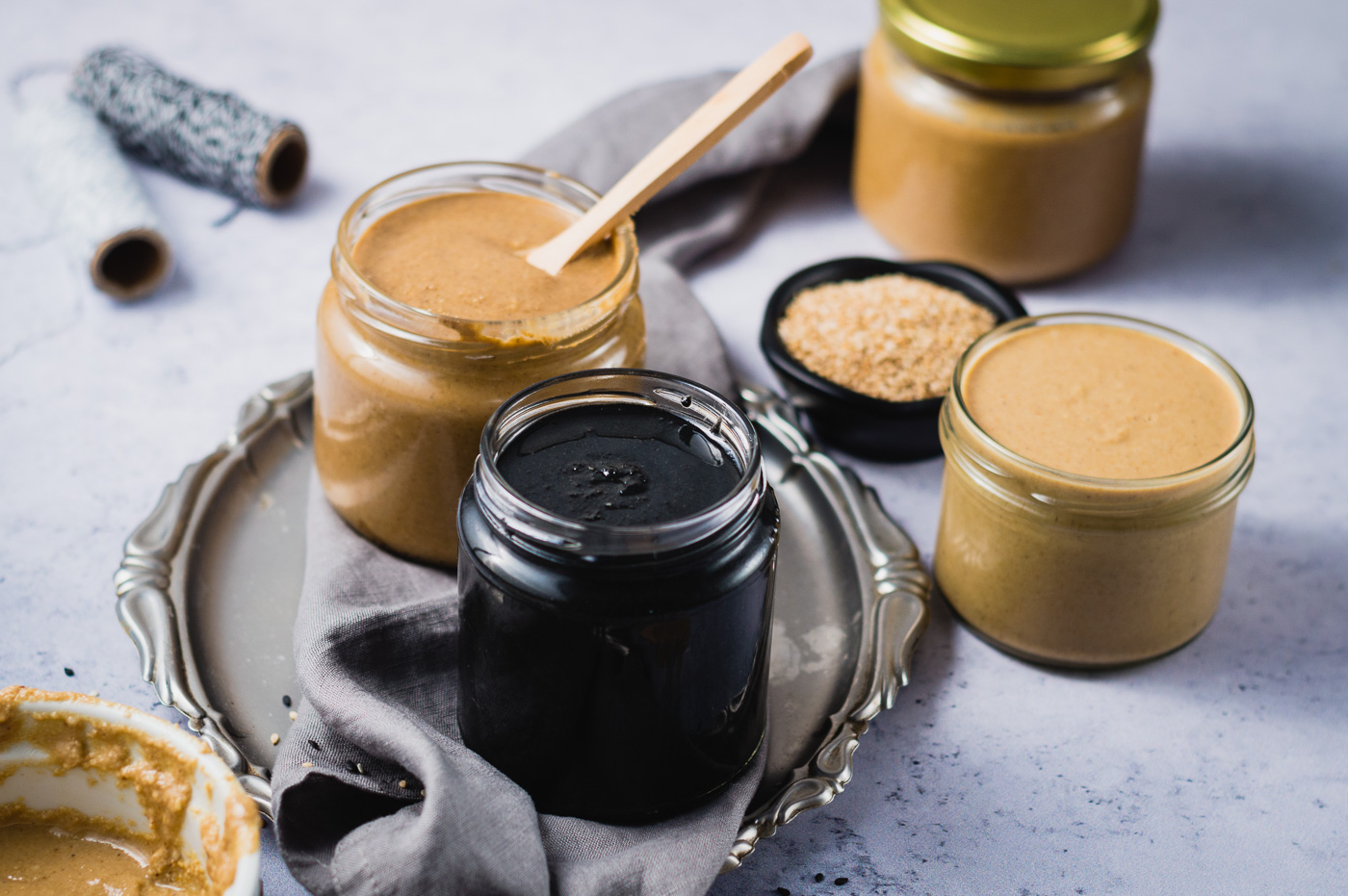
Not all tahhiini is created equal. When shopping, look for brands that use 100% sesame seeds with no additives. Check the texture — premium tahhiini should be smooth and pourable, not thick and grainy. The color can range from pale ivory to light beige, depending on whether the seeds were hulled or unhulled.
Once opened, tahhiini should be stored in a cool, dark place, though refrigeration can extend its shelf life. It’s normal for the oil to separate over time — just give it a good stir before using. Unlike nut butters that can turn rancid quickly, tahhiini has a longer shelf life thanks to sesame oil’s natural stability.
If you want to make your own tahhiini, you can store it in an airtight jar for up to a month at room temperature or several months in the fridge. Homemade versions may have a fresher, more aromatic flavor than store-bought options.
Common Mistakes People Make with Tahhiini
Despite its simplicity, tahhiini can be tricky if you’re not used to working with it. One common mistake is using it straight from the jar without thinning it. Pure tahhiini can be thick and pasty, so whisking it with water, lemon juice, or another liquid transforms it into a silky, sauce-like consistency.
Another pitfall is not balancing its slightly bitter notes. Tahhiini loves acidity (think lemon juice or vinegar) and sweetness (like honey or pomegranate molasses). Without this balance, your dish may taste flat or overpowering.
Lastly, people sometimes store tahhiini for too long. While it’s shelf-stable, it’s best enjoyed fresh, as the flavor can fade over time. If it smells stale or tastes off, it’s time to replace it.
Final Thoughts: Why Tahhiini Deserves a Spot in Every Kitchen
Tahhiini is more than a condiment — it’s a bridge between cultures, a nutritional gem, and a culinary chameleon. From ancient Mesopotamia to modern health-conscious kitchens, its journey reflects how simple ingredients can stand the test of time.
Whether you’re whipping up a batch of creamy hummus, drizzling it over a Buddha bowl, or experimenting with tahhiini brownies, you’re tapping into a tradition that’s thousands of years old yet endlessly adaptable. Its rich flavor, creamy texture, and impressive health benefits make it one of the most valuable pantry staples you can keep on hand.