Human resources leaders today face mounting pressure to align workforce decisions with long-term business objectives. Rapid technological change, evolving skill requirements, hybrid work models, and economic uncertainty have made traditional HR planning methods insufficient. This is where AI for HR planning and strategy is emerging as a powerful enabler—helping organizations move from reactive workforce management to proactive, insight-led decision-making.
The Shift from Traditional HR Planning to AI-Driven Strategy
Conventional HR planning relies heavily on historical data, manual forecasting, and fragmented tools. While useful, these approaches struggle to keep pace with real-time workforce dynamics. Artificial intelligence introduces a more adaptive model by continuously analyzing internal and external data to support strategic HR decisions.
AI-driven HR planning systems can process vast datasets—including workforce demographics, performance metrics, attrition trends, and labor market signals—to generate actionable insights. This shift allows HR leaders to anticipate challenges, optimize workforce allocation, and align talent strategies with organizational goals.
Understanding AI for HR Planning and Strategy
At its core, AI for HR planning and strategy combines machine learning, predictive analytics, and natural language processing to support key HR functions such as workforce forecasting, skills planning, and organizational design.
Unlike rule-based systems, AI models learn from data patterns and improve over time. This enables HR teams to model multiple scenarios, evaluate outcomes, and make evidence-based decisions rather than relying on intuition or static reports.
To explore how these capabilities are applied in real-world HR environments, many organizations refer to specialized platforms offering AI for HR planning that integrate seamlessly with existing HR systems.
Key Capabilities of AI in HR Planning
Workforce Demand and Supply Forecasting
AI helps organizations predict future workforce needs by analyzing business growth plans, historical hiring data, attrition rates, and market trends. This allows HR teams to proactively plan hiring, reskilling, or redeployment initiatives.
Skills Gap Analysis and Talent Mapping
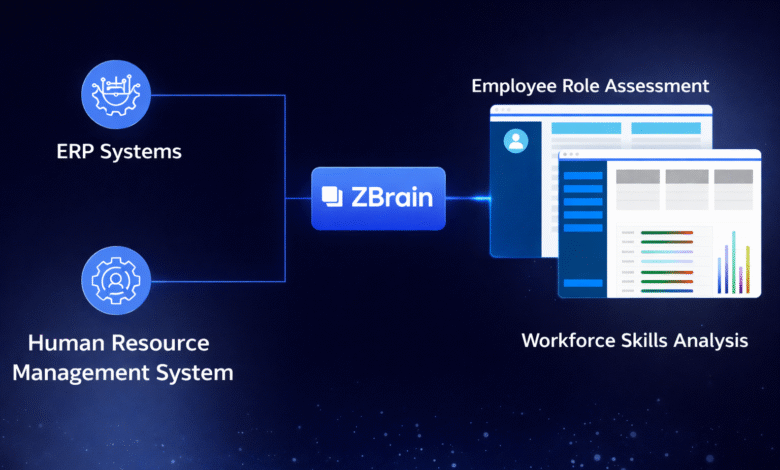
By continuously assessing employee skills against future role requirements, AI identifies emerging skill gaps. HR leaders can then design targeted upskilling and reskilling programs, ensuring the workforce remains future-ready.
Scenario Planning and Strategic Modeling
AI-powered tools enable HR teams to simulate scenarios such as mergers, market expansion, or economic downturns. These simulations provide insights into workforce costs, capacity, and productivity under different conditions.
Enhancing Strategic Decision-Making with AI
Data-Driven Organizational Design
AI supports organizational restructuring by analyzing reporting structures, role overlaps, and productivity metrics. This helps design agile, efficient organizations aligned with strategic priorities.
Predictive Attrition and Retention Planning
Using behavioral and performance data, AI can predict attrition risks across teams or roles. HR leaders can then implement targeted retention strategies, reducing talent loss and associated costs.
Strategic Workforce Cost Optimization
AI models evaluate compensation trends, workforce utilization, and productivity data to help optimize labor costs without compromising performance or employee experience.
Role of ZBrain™ in AI-Driven HR Planning
Advanced AI platforms such as ZBrain™ are designed to operationalize these capabilities at scale. By orchestrating AI agents across HR data sources, ZBrain™ enables organizations to unify workforce intelligence and automate strategic planning workflows.
Such platforms emphasize explainability and governance, ensuring HR leaders can trust AI-driven recommendations while maintaining compliance with organizational and regulatory standards. Solutions offered by ZBrain support continuous planning, allowing HR teams to adapt strategies as business conditions evolve.
Streamlining Job Description Management with ZBrain HR JD Builder
As enterprises scale their hiring efforts, job description (JD) management becomes increasingly complex and operationally demanding. While generative AI is transforming multiple HR functions, JD creation and maintenance often remain manual, fragmented, and inconsistent. To address this challenge, LeewayHertz operationalizes its advanced generative AI capabilities through ZBrain, its flagship enterprise AI enablement platform designed to support intelligent, scalable, and secure HR workflows.
ZBrain HR JD Builder is an AI-powered solution that automates and manages the complete job description lifecycle—from draft creation and internal review to approval and publishing across connected HRMS, HRIS, and HCM systems. Built for enterprise-scale hiring and workforce planning, it enables HR teams to produce standardized, compliant, and compensation-ready job descriptions with greater efficiency and consistency.
By embedding governance, compliance support, and system integration into a unified workflow, ZBrain HR JD Builder significantly reduces manual effort while maintaining a centralized system of record for job descriptions across the organization.
Core Capabilities of ZBrain HR JD Builder
Prebuilt JD Template Library
The platform offers more than 150 ready-to-use JD templates, enabling HR teams to standardize drafting and accelerate job description creation across roles, departments, and business units.
Duplicate and Similar JD Detection
Brain HR JD Builder identifies duplicate or near-duplicate job descriptions during creation and validation, helping prevent JD sprawl and reduce redundancy across the organization’s JD repository.
Automated Customization and Quality Controls
The solution automatically aligns job descriptions with organizational rules and role-specific requirements. It detects anomalies, flags biased language, and enforces consistency to ensure fairness and quality across all JDs.
Compensation-Ready JD Creation
HR teams can include salary ranges, benefits, and perks directly within job descriptions, supporting transparent and competitive job postings aligned with modern hiring practices.
Compliance Support and Language Alignment
The platform assists organizations in meeting regional compliance requirements and internal standards by aligning JD language with applicable regulations and policies.
Role-Based Workflows and Governance Controls
ZBrain enables controlled access, predefined approval workflows, and secure publishing rights, ensuring governance and accountability throughout the JD lifecycle.
Versioning and Controlled Iteration
Built-in version control allows HR teams to manage updates efficiently while maintaining consistency and historical traceability of job descriptions over time.
Direct HRMS, HRIS, and HCM Publishing
Seamless integration with enterprise HR systems eliminates manual updates, improves data accuracy, and ensures job descriptions remain synchronized across platforms.
Together, these capabilities empower HR teams to manage job descriptions more efficiently while maintaining governance, compliance, and organizational alignment—making JD management a strategic enabler rather than an administrative burden.
Benefits of AI for HR Planning and Strategy
Improved Strategic Alignment
AI ensures HR planning is directly aligned with business objectives by translating strategic goals into workforce requirements.
Faster and More Accurate Decisions
Automation and predictive analytics reduce planning cycles and improve the accuracy of workforce forecasts.
Enhanced Agility and Resilience
With real-time insights and scenario modeling, organizations can respond quickly to disruptions and changing talent needs.
Better Employee Experience
Proactive skills development, optimized role alignment, and data-driven career pathways contribute to higher engagement and retention.
Best Practices for Implementing AI in HR Strategy
To realize the full value of AI in HR planning, organizations should follow a structured approach:
- Ensure data readiness: Clean, integrated HR data is critical for accurate AI insights.
- Start with high-impact use cases: Focus on workforce forecasting, skills planning, or attrition prediction.
- Maintain human oversight: AI should augment, not replace, strategic HR judgment.
- Prioritize transparency and ethics: Use explainable AI models and ensure compliance with data privacy regulations.
The Future of HR Planning Is AI-Led
As workforce complexity increases, AI will become a foundational component of HR strategy. Organizations that embrace AI-driven planning will be better positioned to anticipate talent needs, optimize workforce investments, and build resilient teams.
AI for HR planning and strategy is not just a technological upgrade—it represents a strategic transformation in how organizations plan, manage, and empower their workforce. By leveraging intelligent platforms and data-driven insights, HR leaders can move beyond operational efficiency and become true strategic partners in business growth.