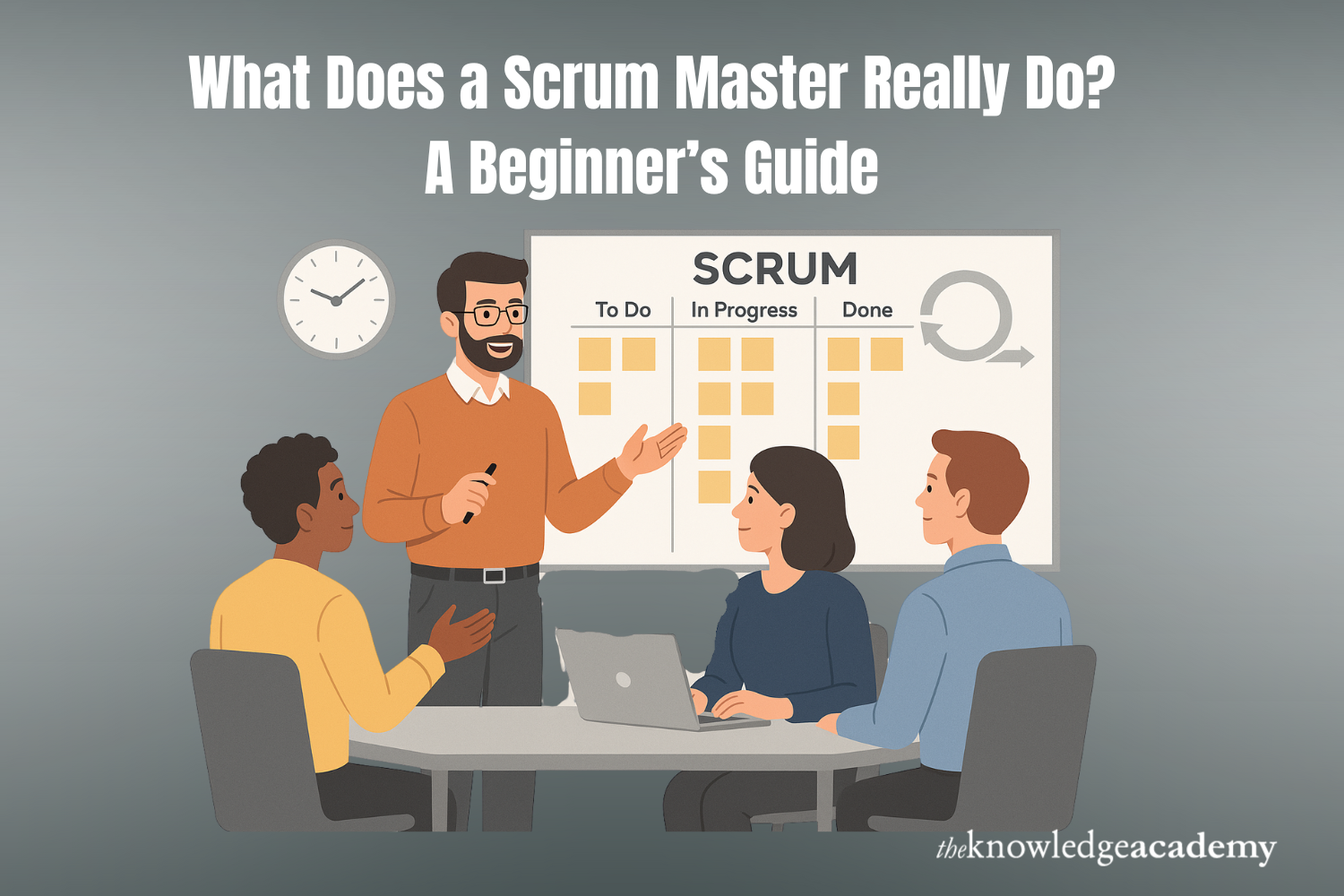
What exactly does a Scrum Master do? It is a question many beginners ask when they first hear about agile projects. The role is often misunderstood as simply running meetings, yet it is far more than that. A Scrum Master Certification shows that the position is about supporting teams, removing barriers, and guiding everyone towards working more effectively. If you have been curious about How to Become a Scrum Master, the first step is understanding the responsibilities that make this role so important. In this blog, we uncover what a Scrum Master really does.
Core Responsibilities of a Scrum Master
The role of Scrum Master covers several responsibilities that shape how teams work and deliver value. Below are the key areas where a Scrum Master makes the biggest impact:
Coaching the Scrum Team for Growth
A Scrum Master is like a coach who stands on the sidelines. They do not play the game, but they help the squad do their best. This entails helping team members grasp the rules of Scrum and pushing them to accept responsibility for their work. Teams gain confidence and competence when given the proper assistance. Finding avenues for growth and assisting people in their positions are other aspects of coaching. It isn’t about issuing commands. It all comes down to making room for learning and posing pertinent questions.
Facilitating Scrum Events Effectively
Agile projects revolve around Scrum events. The team stays focused and in sync through reviews and daily meetings. These activities are kept productive and run smoothly by a scrum master. They assist the team in meeting deadlines and guiding conversations. It goes beyond simply marking off meetings. Making ensuring every session adds value is the goal. When executed well, these gatherings foster teamwork and maintain the team’s direction.
Promoting Communication and Transparency
A Scrum team is held together by clear communication. The Scrum Master fosters an atmosphere in which everyone is educated and feels heard. They ensure that information is openly exchanged between team members and stakeholders and promote candid communication. Openness fosters trust. It lessens misunderstandings and keeps the team in sync. The Scrum Master makes sure that nothing is concealed and that everyone is informed, whether it is through sharing progress or updating the task board.
Taking Continuous Improvement
The goal of agile is to improve with each sprint. The Scrum Master is very important to this since they lead the team through regular retrospectives. These meetings provide the team a chance to think about what worked and what did not. The Scrum Master helps people take action on what they learn. They keep an eye on how things are going and push the team to try out new ideas. You cannot just work on continuous improvement once. The Scrum Master helps people develop this way of thinking every day.
Protecting the Team from Distractions
At the heart of Scrum is focus. The Scrum Master protects the team from interruptions and noise from outside. This means handling requests from stakeholders and making sure the team knows what its top objectives are. The Scrum Master helps the team stay busy and stress free by making the workspace safe. Not being a guardian is not the point. It is about giving the team what they need to do well without putting too much pressure on them.
Promoting an Agile Mindset
Agile is more than just a way to do things. It is a way to think. The Scrum Master helps the team be open to change and put the client first. They question old methods of doing things and encourage new ones. This means asking for input, being open to change, and praising progress. An Agile attitude helps teams stay strong and adaptable. The Scrum Master shows the way by becoming an example of how to learn and improve along the way.
Conclusion
There is a lot more that a Scrum Master does than just running meetings. They guide, protect, and motivate teams while making sure that they always work together and get better. If you want to be successful in this field, learning how to become a Scrum Master and getting organised training can be the first things you do. Getting a certification from The Knowledge Academy can help you get better at these skills and give you the courage to lead agile projects.