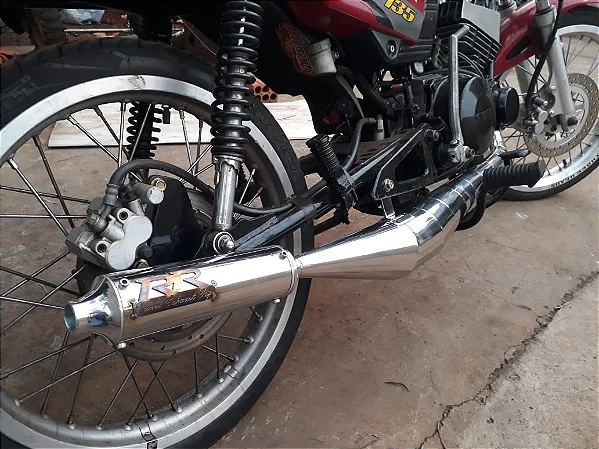
When it comes to motorcycle culture, few parts make as much of a difference to both performance and personality as the exhaust system. In the world of classic two-stroke bikes, particularly Yamaha’s legendary RD series, the Escapamento RD (RD exhaust) is more than just a mechanical necessity—it’s a statement. From the roar of acceleration to the way it transforms handling, choosing or modifying an RD exhaust has become a passion for riders and collectors alike.
In this article, we’ll take a deep dive into what makes escapamento RD so special, the types available, performance effects, maintenance tips, and how it connects to the broader culture of two-stroke motorcycles.
What Does Escapamento RD Really Mean?
The phrase Escapamento RD comes from Portuguese and directly translates to “RD exhaust.” The RD series, produced by Yamaha, includes iconic two-stroke bikes like the RD125, RD250, RD350, and RD400—machines that earned cult status for their lightweight frames, explosive acceleration, and thrilling riding experience.
In Brazil and other Portuguese-speaking countries, these bikes became especially popular. The exhaust system (escapamento) wasn’t just a stock part; it was something riders modified, upgraded, or even handcrafted to squeeze every bit of performance out of their two-strokes. Over time,Escapamento RD grew into more than just a phrase—it became shorthand for the culture of tuning, racing, and celebrating RD motorcycles.
- Manages gases – It helps expel burnt fuel-air mixture from the two-stroke engine.
- Impacts performance – A well-designed expansion chamber can increase horsepower dramatically.
- Shapes identity – The sound of an RD with a tuned exhaust is unforgettable.
So, when riders talk about Escapamento RD, they’re not only referring to a piece of metal under the bike—they’re talking about heritage, performance, and passion.
The Role of Exhaust in a Two-Stroke Engine
To understand why Escapamento RD is such a big deal, you need to look at how two-stroke engines work. Unlike four-stroke engines, which complete a power cycle in four steps, a two-stroke engine does it in just two movements of the piston: compression and combustion. This means every second stroke delivers power, making them lighter, more powerful (per CC), and far more aggressive.
However, two-strokes also face challenges. They tend to waste unburned fuel, run hotter, and depend heavily on exhaust design for efficiency. This is where the expansion chamber in RD exhausts comes in. It’s shaped like a bulge in the pipe, and its job is to:
- Scavenge gases: It pulls out burnt gases quickly.
- Boost compression: It sends a pressure wave back to push unburned fuel back into the cylinder before the exhaust port closes.
- Increase power: With the right shape and length, the chamber can deliver explosive acceleration at specific RPM ranges.
That’s why the exhaust on an RD isn’t just another bike part—it’s the heart of performance tuning. Riders quickly realized that swapping or modifying Escapamento RD could completely change how the bike rode, sounded, and even looked.
Stock RD Exhaust vs. Aftermarket Escapamentos
When Yamaha sold the RD series, the stock exhausts were carefully engineered to balance power, emissions, and reliability. These factory pipes were functional but also conservative, built to satisfy regulations and keep engines from wearing out too quickly.
But riders wanted more. Enter the world of aftermarket escapamentos RD.
- Performance Pipes – Brands and local workshops designed tuned expansion chambers that could add 10–20% more horsepower. This turned an already fast RD into a rocket.
- Custom Handmade Exhausts – In many places, especially Brazil, local mechanics crafted one-of-a-kind escapamentos, often welded by hand, tailored for drag racing or street performance.
- Style-Driven Pipes – Some riders weren’t chasing horsepower; they just wanted that sharp, aggressive RD scream or a specific aesthetic look.
The difference between stock and aftermarket is night and day. A stock RD exhaust sounds polite, almost restrained, while an aftermarket expansion chamber lets out a piercing wail that announces the bike long before it arrives.
The Sound of Escapamento RD: More Than Noise
Ask any two-stroke enthusiast what they love most about RD bikes, and chances are the first thing they’ll mention is the sound. The Escapamento RD doesn’t just produce noise—it creates an orchestra of mechanical fury that gets under your skin.
The high-pitched crackle at idle, the raspy growl as the RPMs rise, and the screaming top-end howl are unlike anything you’ll hear from a four-stroke machine. This sound isn’t accidental—it’s the direct result of pressure waves bouncing inside the expansion chamber.
In fact, many riders tune their exhausts not only for performance but for sound. Some want a deep, throaty note that echoes through city streets, while others want that sharp racing shriek that signals pure speed. Either way, the RD’s escapamento has become part of its personality, making these bikes instantly recognizable by ear alone.
Escapamento RD and Performance Tuning
Performance tuning is where Escapamento RD truly shines. By changing pipe length, chamber diameter, and outlet size, riders can customize how their RD delivers power.
- Shorter, wider chambers tend to boost top-end performance, making the bike scream at higher RPMs.
- Longer, narrower chambers give more mid-range torque, perfect for city riding or quick overtakes.
- Multiple custom builds allow drag racers to tailor their exhausts for specific distances or tracks.
For example, an RD350 with a properly tuned aftermarket exhaust can deliver performance rivaling modern bikes in its class, despite being decades old. Add in carburetor adjustments, and you have a machine that’s lightweight, brutally fast, and dangerously fun.
Escapamento RD in Brazilian Motorcycle Culture
One of the most fascinating things about Escapamento RD is how it became part of Brazilian motorcycle culture. In Brazil, Yamaha RD bikes were more than just transportation—they were symbols of freedom and rebellion. Young riders embraced them for their speed, sound, and affordability compared to bigger imported machines.
Tuning the escapamento became almost a rite of passage. Workshops across the country started specializing in crafting custom exhausts, often with unique designs and names. Street racing scenes grew around these modifications, and even today, you’ll find forums, social media groups, and meet-ups dedicated to RD bikes and their exhaust systems.
The Escapamento RD wasn’t just about going fast—it was about identity. Owning one showed that you were part of a community that valued performance, mechanical creativity, and the raw joy of riding.
Common Issues and Maintenance of Escapamento RD
Like any motorcycle component, the RD exhaust isn’t without challenges. Because two-stroke engines burn oil mixed with fuel, carbon buildup inside the exhaust is a constant issue. Over time, this can reduce performance, mute sound, and make the bike harder to tune.
Maintenance typically involves:
- Decarbonizing: Cleaning out carbon deposits with heat or chemical treatments.
- Checking for leaks: Cracks in welds or flanges can affect performance.
- Rust prevention: Many escapamentos are made of mild steel, which is prone to corrosion. Regular painting or chrome treatment helps.
- Silencer repacking: The muffler section often needs fresh packing material to maintain sound quality.
A neglected exhaust can rob an RD of its legendary performance, so riders who love their bikes treat escapamento maintenance as an essential ritual.
Modern Interpretations of Escapamento RD
Even though Yamaha stopped producing the RD series decades ago, the legacy of Escapamento RD lives on. Today, aftermarket manufacturers still build performance pipes for these classics, and enthusiasts continue to innovate with new designs.
In fact, some modern tuners combine old-school craftsmanship with advanced engineering tools like CAD modeling and flow analysis. This means today’s RD owners can enjoy pipes that are both period-correct in style and modern in performance.
Some riders even experiment with hybrid builds—putting RD engines in custom frames and designing one-off exhausts for racing or show bikes. The Escapamento RD continues to inspire creativity well into the 21st century.
Why Escapamento RD Still Matters Today
So why are we still talking about Escapamento RD decades after Yamaha retired the series? The answer is simple: nostalgia, passion, and performance.
- Nostalgia: Riders who grew up with RDs remember the thrill of that two-stroke scream, and the exhaust is the most direct link to those memories.
- Passion: Motorcycle communities thrive on personalization, and the escapamento remains one of the most expressive ways to customize an RD.
- Performance: Even today, a well-tuned RD with the right exhaust can keep up with modern bikes, proving that good engineering never gets old.
Ultimately, the Escapamento RD represents more than metal and mechanics—it’s about keeping a culture alive. For every enthusiast who restores, tunes, or rides an RD, the exhaust is the soul of the machine.
Final Thoughts
The Escapamento RD isn’t just an exhaust system—it’s a legend in its own right. It embodies the raw spirit of Yamaha’s two-stroke masterpieces, amplifies their performance, and creates a sound that generations of riders will never forget.