The term calamariere might not be one you come across every day, but it’s a word that has roots in both culinary traditions and linguistic history. Whether you’re a foodie, a language enthusiast, or someone who stumbled upon this term by curiosity, exploring it can lead you into a surprisingly rich rabbit hole. From its etymology to its cultural associations, calamariere has stories to tell — and in this article, we’ll cover them all in depth.
Some people recognize it from Mediterranean cuisine, others think of it as a stylish, almost exotic-sounding descriptor. Yet, its true meaning can vary depending on the context. Let’s dive deep and discover what calamariere is all about, how it’s used, and why it has become a term that sparks interest for many.
What Calamariere Means?
At its core, the word calamariere is believed to be derived from “calamari”, the Italian word for squid. In Italian and other Mediterranean languages, adding certain suffixes can alter the meaning of a word to describe a person, an object, or a specialty related to the root term. This means “calamariere” could refer to a person who serves calamari, someone who specializes in cooking squid dishes, or even a seafood vendor.
But here’s the interesting part — in some culinary circles, calamariere is also used as a stylish nickname for a seafood platter or an upscale squid-based dish. This duality gives the term both a professional and a gourmet flair. It’s almost like how “barista” refers to both a job role and a certain artistry in coffee making.
The versatility of the term also means it’s not bound to just one language or region anymore. With the globalization of cuisine, calamariere has popped up in English-language food blogs, restaurant menus, and even creative branding for seafood products. Its meaning can be straightforward or nuanced, depending on how it’s used.
Historical Origins and Linguistic Roots
If you break the term down linguistically, “calamari” itself comes from the Late Latin word calamarium, meaning “ink pot” or “pen case.” This refers to the squid’s ability to release ink as a defense mechanism — a clever bit of linguistic history that connects animals to objects. Over centuries, the term calamari evolved to simply mean squid in Italian and related languages.
Adding “-iere” as a suffix is common in Romance languages, especially Italian and French, to describe a person connected to a particular trade or specialty. Think “cavaliere” (knight) in Italian or “sommelier” (wine steward) in French. So calamariere essentially translates to “squid steward” or “squid specialist.” This doesn’t just sound fancy — it reflects a historical tradition where seafood experts were highly regarded in coastal communities.
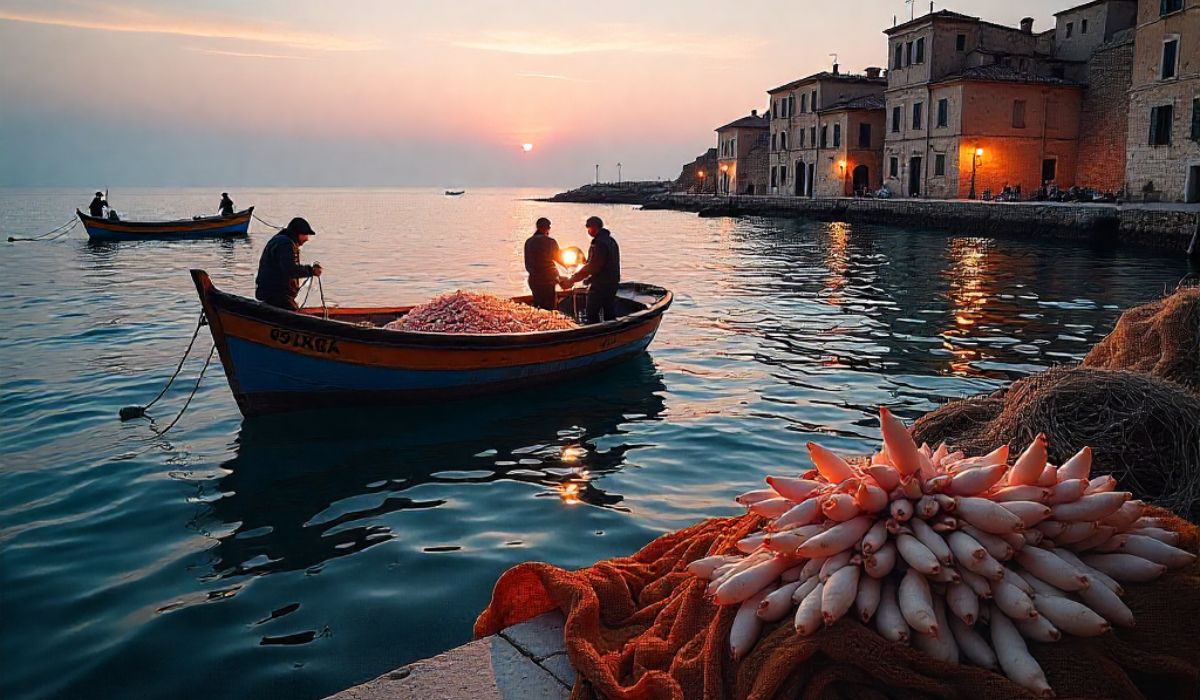
In fishing towns along the Mediterranean, having a dedicated calamariere meant that squid dishes were prepared with unmatched skill, often becoming the highlight of the local cuisine. Over time, the title carried a blend of culinary prestige and cultural pride.
The Role of a Calamariere in Traditional Cuisine
In traditional coastal towns, especially across Italy, Spain, and parts of France, a calamariere wasn’t just a chef — they were an artisan of seafood preparation. Handling squid is no small task; it requires both knowledge and finesse. From cleaning and skinning to slicing and marinating, each step can influence the taste and texture of the final dish.
A calamariere in old fishing villages would know the best seasons for squid fishing, how to source the freshest catch, and how to prepare it in ways that highlight its delicate flavor. In some cases, they would even collaborate with fishermen to ensure the squid was handled properly from the moment it left the water.
While modern restaurants often have general seafood chefs, the traditional calamariere was something of a specialist — much like how sushi chefs in Japan dedicate years to mastering their craft. It wasn’t just about cooking; it was about preserving a culinary heritage that has been passed down for generations.
Popular Calamariere Dishes and Specialties
If you were to dine at a restaurant boasting a calamariere, you’d likely encounter dishes that showcase squid in multiple forms. These could range from the familiar fried calamari rings to more intricate preparations that involve stuffing, stewing, or grilling.
- Frittura di Calamari – The classic fried calamari rings, lightly battered and served with lemon wedges, are a staple. A calamariere would ensure the batter is airy, the oil temperature is perfect, and the squid is cooked for just the right amount of time to avoid toughness.
- Calamari Ripieni – Stuffed squid tubes filled with a mixture of breadcrumbs, herbs, garlic, and sometimes seafood or sausage. This dish requires precision to avoid overcooking and bursting.
- Squid Ink Pasta – A luxurious dish made with pasta tossed in a rich sauce of squid ink, garlic, olive oil, and chili. This highlights the “ink pot” roots of the word calamari.
These dishes are not just about taste — they’re a showcase of a calamariere’s expertise in balancing flavor, texture, and presentation.
Calamariere in Modern Dining and Culture
In today’s culinary world, the title calamariere might not be as formal as it once was, but the spirit behind it is alive and well. Many seafood restaurants, especially those with Mediterranean influences, still celebrate squid dishes as a centerpiece of their menu. A skilled calamariere could be a chef, a seafood vendor, or even a restaurateur who makes squid a signature specialty.
With the rise of food tourism, travelers often seek authentic experiences tied to local traditions. Dining at a place with a renowned calamariere can become a highlight of a trip, offering a direct connection to centuries-old culinary practices. This is especially true in regions like Sicily, Catalonia, and the Amalfi Coast, where squid is a seasonal delicacy.
Even outside of professional kitchens, the idea of a calamariere has found its way into cooking classes, food festivals, and social media. Chefs proudly share videos of their squid preparation techniques, turning an old-world skill into a form of modern-day entertainment.
How to Spot a True Calamariere
If you ever wonder whether the person serving you squid qualifies as a calamariere, there are a few telltale signs. First, a true calamariere respects the ingredient from start to finish. They know how to choose squid that’s fresh, with a mild sea scent and firm texture.
Second, they treat preparation as an art form. Instead of rushing the cleaning process, they carefully remove membranes, cartilage, and ink sacs, ensuring nothing unpleasant ends up in the dish. Cooking is also done with precision — squid is notorious for turning rubbery if overcooked, and a calamariere will avoid that mistake every time.
Finally, presentation matters. Whether it’s a rustic seaside plate or a fine-dining spread, a calamariere takes pride in how the dish looks, often pairing it with flavors that enhance rather than overpower the squid.
Learning the Craft of a Calamariere
Becoming a calamariere isn’t just about following recipes — it’s about developing a deep understanding of squid as an ingredient. This includes knowing where it comes from, the environmental conditions that affect its flavor, and the cooking methods that bring out its best qualities.
For aspiring calamariere, the journey often begins with hands-on experience in seafood markets and kitchens. Some learn from family traditions, while others apprentice under skilled chefs. Either way, practice is key. Squid preparation can be tricky, and even experienced cooks sometimes need to adjust their techniques depending on the size, age, and freshness of the catch.
There’s also a growing interest in sustainable fishing practices among modern calamariere. With ocean ecosystems under threat, knowing how to source squid responsibly has become an important part of the craft.
The Future of the Calamariere Tradition
While the traditional title might fade in some regions, the skills and values of a calamariere are far from disappearing. As global cuisine continues to embrace fusion dishes, squid remains a versatile ingredient that can bridge culinary cultures. From Italian-style pastas to Asian-inspired stir-fries, the calamariere’s expertise adapts beautifully to new trends.
We may also see more recognition for squid specialists in the culinary world as people grow more interested in artisanal and heritage cooking. Food documentaries, social media platforms, and international competitions could help bring the term back into everyday use.
In a sense, calamariere represents more than just a job — it symbolizes a deep respect for food, tradition, and craftsmanship. And as long as people value those things, there will always be a place for the calamariere, whether in a quaint seaside taverna or a bustling urban restaurant.
Final Thoughts
The word calamariere might sound like a niche term, but it carries a wealth of meaning and history. Rooted in Mediterranean culture, shaped by centuries of culinary tradition, and evolving into a modern symbol of seafood mastery, it’s more than just a label — it’s a title of respect.
Whether you encounter it in a gourmet menu, a travel guide, or a conversation with a chef, knowing the story behind calamariere adds a new layer of appreciation to your dining experience. It’s a reminder that behind every plate of perfectly prepared calamari, there’s skill, care, and a tradition worth celebrating.