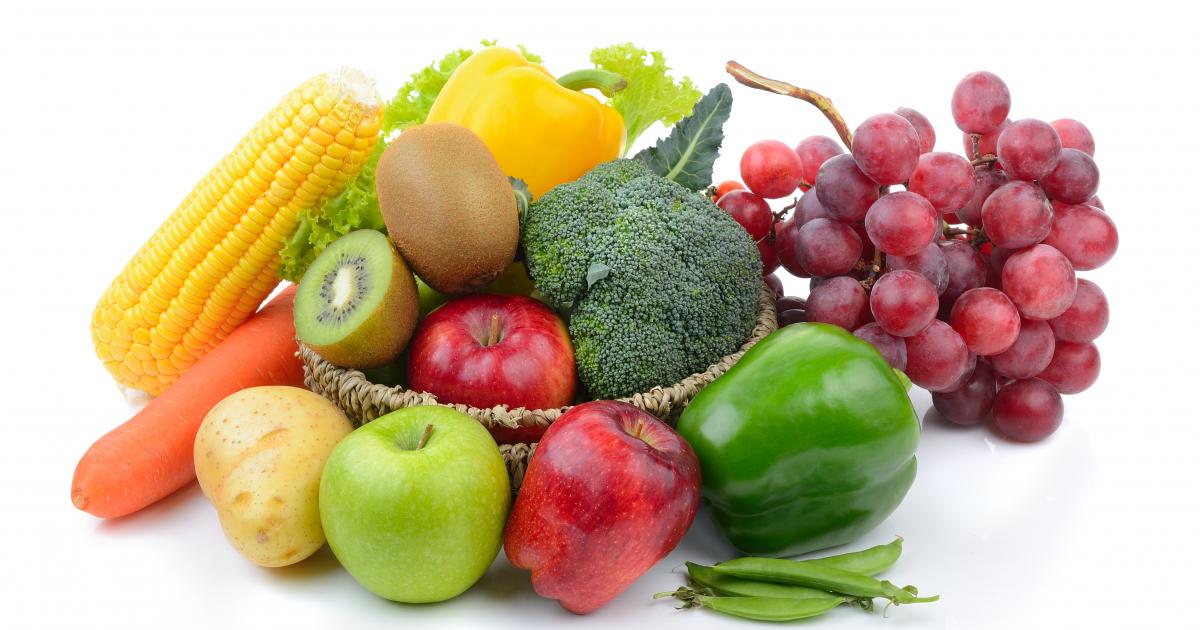
Cutting fruits and vegetables correctly improves prep quality and boosts cooking results. The right knife helps avoid unnecessary bruising and waste. Soft produce like peaches or avocados needs smooth blades, while firmer items like squash need strong edges. Using poor-quality knives often damages food structure and increases effort. Selecting well-crafted blades gives a cleaner cut and enhances kitchen safety. Size also matters. Shorter german knives offer control for peeling, while longer blades are great for slicing. Pairing the right knife with the right produce ensures a satisfying cooking experience. Understanding knife types is the first step to better kitchen efficiency and control.
Why Sharpness Matters in Produce Cutting?
A dull knife squashes ingredients and risks injury. A sharp knife slices cleanly and evenly, especially on delicate items like tomatoes or herbs. This improves both appearance and flavor. Sharp edges also reduce wrist strain during repetitive cutting tasks. Home cooks should keep knives honed regularly. Knives like the damascus knife are prized for their long-lasting sharpness and beautiful steel patterning. The multiple layers of steel allow for a fine edge that glides through fruits and vegetables. A properly sharpened blade creates fewer accidents and saves time. No matter your skill level, keeping your knives sharp is essential for better meals.
Understanding Knife Types for Produce Prep
Different fruits and vegetables require different types of knives. A paring knife works well for apples while a Santoku is great for chopping cucumbers. Utility knives help with slicing citrus and small melons. When preparing large quantities, proper selection speeds things up. Many chefs recommend german knives because of their balance and consistent sharpness. These knives hold their edge through repeated use and handle both soft and hard produce. Whether you’re making salad or prepping a soup base, using the correct knife can improve your output. For long-term use, choose forged steel options with high durability and comfort.
Best Knife for Peeling and Paring Fruits
Pairing knives are small and precise, which makes them ideal for peeling fruit or cutting away blemishes. They provide control for working with irregular shapes like mangos or kiwis. A good grip and sharp edge are necessary for safety and accuracy. Many home cooks and professionals prefer german knives in paring form due to their ergonomic design. These knives are forged to be lightweight yet durable. They make it easier to peel apples or segment citrus without damaging the flesh. Investing in a high-quality pairing knife streamlines prep work and reduces food waste. It’s a small but essential kitchen tool.
Choosing Knives for Hard Vegetables
Dense vegetables like sweet potatoes and pumpkins require strong blades with solid weight and strength. Chef’s knives or cleavers handle these tough items with ease. A thicker spine and sharp edge prevent slippage and crushing. Choosing a high-performance blade minimizes strain and increases precision. A popular choice among chefs is the damascus knife known for its layered steel and cutting power. This knife can chop through dense textures without dulling quickly. Whether slicing beets or dicing squash, a durable and sharp knife ensures safety and quality. With tough vegetables, using the right tool prevents accidents and ensures even cooking results.
Slicing Tomatoes and Citrus the Right Way
Tomatoes and citrus fruits are easily damaged by dull or wrong knives. Their delicate skin and juicy interior require a sharp tool that won’t squash or tear. A serrated blade works, but so does a thin, sharp edge with great precision. When making perfect tomato slices or lemon wheels, many chefs reach for german knives for their superior edge retention and fine balance. These blades glide through thin skins without crushing or leaking juices. A reliable utility knife from a premium German steel line can save time and deliver better-looking garnishes. For clean slices, the right blade makes all the difference.
Utility of Specialty Knives for Vegetables
Some knives are designed specifically for vegetable prep. Nakiri and Santoku knives are examples made for chopping and slicing produce. Their straight edge and light weight allow quick repetitive cutting without fatigue. Choosing a specialty knife increases speed and consistency in the kitchen. One favorite among chefs is the damascus knife which offers stunning visual design and outstanding cutting performance. Its layered construction keeps the blade sharp and durable for longer. Whether julienning carrots or slicing eggplants this knife handles it beautifully. Specialty knives are not just for professionals they’re valuable for any cook looking to improve their prep game.
Final Tips on Knife Care and Selection
Taking care of your knives ensures longevity and safety. Always wash by hand and dry after use to prevent rust. Store them in a wooden block or magnetic strip. Hone regularly and sharpen when needed. When expanding your knife collection choose based on purpose and material. Many chefs trust german knives for durability and precision. Others admire the craftsmanship of a damascus knife for its elegance and edge quality. Having both styles covers all fruit and vegetable tasks in the kitchen. With proper use and maintenance your knives will perform better and last for years. Good tools create great results.